How to store sports gear without loosing your mind
Managing sports gear for an active family can quickly become overwhelming. Balls, bats, helmets, cleats, and uniforms pile up, creating clutter and stress. Finding a system that keeps everything organized and easy to access saves time and frustration. This guide offers practical, straightforward tips to store sports gear efficiently without losing your mind.

Create a Dedicated Sports Gear Zone
Start by choosing one area in your home or garage specifically for sports equipment. Having a dedicated space prevents gear from spreading throughout the house. This zone should be easy to access and large enough to hold all items comfortably.
Use wall-mounted hooks for hanging items like bats, rackets, and helmets.
Install sturdy shelves or cubbies for balls, gloves, and smaller gear.
Consider a bench with storage underneath for shoes and cleats.
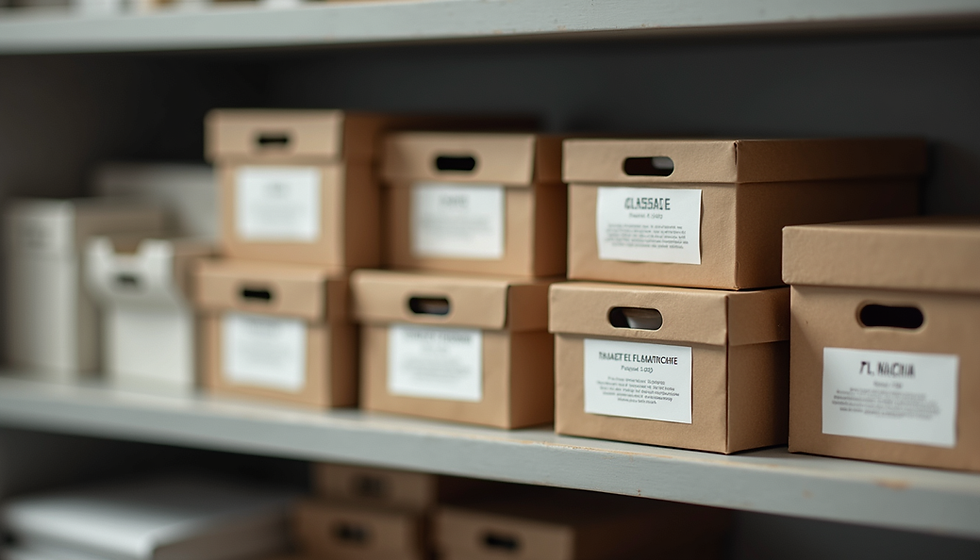
Label bins or containers clearly to help family members return items to the right spot. For example, use separate bins for soccer balls, basketballs, and baseballs. This reduces the time spent searching for gear before practice or games.
Use Vertical Space Wisely
When floor space is limited, think vertically. Vertical storage maximizes room and keeps gear off the ground.
Pegboards work well for hanging smaller items such as jump ropes, gloves, and water bottles.
Tall shelving units can hold larger equipment like helmets and pads.
Overhead racks in the garage are perfect for bulky items like skis or snowboards.
By using vertical space, you keep the floor clear and reduce tripping hazards, especially important in busy family homes.
Sort Gear by Sport and Frequency of Use
Organizing gear by sport makes it easier to find what you need quickly. Group items used together in one place.
Place frequently used gear at eye level or within easy reach.
Store seasonal or rarely used equipment higher up or in less accessible spots.
Use clear bins or mesh bags so you can see contents without opening them.
For example, if your child plays soccer year-round but only skis in winter, keep soccer balls and cleats on lower shelves and ski boots stored in a labeled bin on a high shelf.

Maintain Gear Regularly
Regular maintenance keeps gear in good condition and prevents clutter buildup.
After each use, encourage family members to clean and dry equipment before storing it.
Schedule monthly checks to discard broken or outgrown items.
Rotate gear seasonally to keep only what you need accessible.
A simple rule like “clean gear before it goes back” helps keep the storage area tidy and extends the life of expensive equipment.
Use Multi-Functional Storage Solutions
Choose storage options that serve more than one purpose to save space and money.
Benches with built-in storage provide seating and a place to stash gear.
Rolling carts can be moved easily to practice areas or vehicles.
Stackable bins allow you to customize storage height and capacity.
These solutions adapt to changing needs as your family’s sports interests evolve.

Encourage Family Participation
Keeping sports gear organized is easier when everyone pitches in.
Assign each family member responsibility for their own gear.
Make returning items to their place part of the routine after practices and games.
Use a checklist or chart to remind kids what gear they need to bring and store.
Teaching kids to care for their equipment builds good habits and reduces the burden on parents.


Comments